Designing the conditions for collective success.
Most organizations and coalitions already have capable people and a shared mission. Yet the work keeps breaking down between them. Decisions, incentives, and competing priorities pull people in different directions, making collective progress harder than it needs to be.
I'm Ornella, founder of Living Ayni (pronounced AHY-nee). I spent more than twenty years working inside institutions built to solve problems no one can solve alone. There, I saw firsthand how difficult it can be to align diverging interests, even among people committed to a shared purpose, when the very structures meant to support their work sometimes stand in the way.
Today, I help organizations and coalitions identify what's holding back their collective progress and change the conditions that shape how people show up and work together.
My work draws on ayni, the Andean principle of reciprocity, together with neuroscience and organizational science.


How Living Ayni can help
Organizations & Coalitions
For organizations and coalitions that want to achieve more together.
People bring different strengths, perspectives, and ideas to a shared purpose. How well they work together depends largely on the conditions around them: how decisions are made, what is rewarded, whose contributions are valued, and how responsibility is shared.
I bring people together across roles, functions, and organizations to examine those conditions, build shared understanding, and reshape how they work so that individual contributions strengthen collective results.
Individuals & Groups
A space to reconnect with yourself and others.
Our relationship with ourselves shapes how we relate to others and the impact we have in the world. Through intimate group experiences and selective coaching, I create space for people to understand their patterns, reconnect with what matters, and make more intentional choices about how they want to live and lead.
What Clients Are Saying





The Living Ayni Founder, Ornella Nicolacci
-
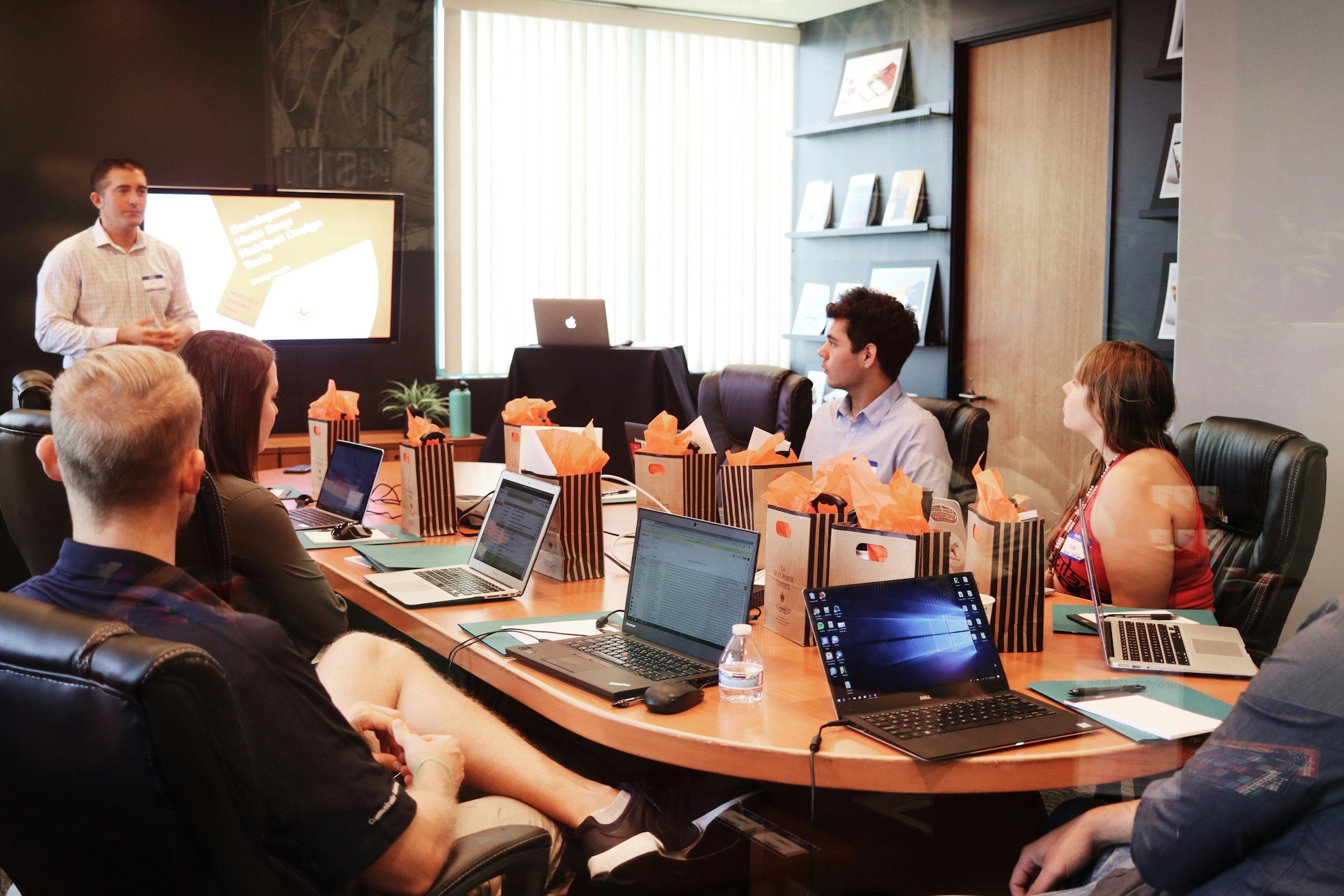
![Business meeting in conference room with people sitting around a table, gift bags with orange tissue paper, a presenter at front near a screen, laptops open, water bottles, and notes on the table.]()
20+ years of lived global systems leadership
Lived experience facing the stakes and trade-offs leaders manage today
-
![A hand holding a compass with a mountain landscape in the background, including snow-capped peaks and a bright turquoise lake.]()
Trusted advisor
To leaders across multilateral, private, public, and non-profit systems
-
![Neon art installation featuring outline of a human head with a glowing brain and lines representing neural connections, illuminated in blue and pink, with text in the background asking about the ECS and its location.]()
Neuroscience-based coaching
Grounded in relational intelligence, Andean wisdom, and individual and group dynamics


A different way of understanding progress.
Ayni is an Andean principle of reciprocity rooted in relationships of mutual contribution and responsibility among people, communities, and the living world. It invites us to recognize the contributions that make our lives and achievements possible, and to consider how our choices affect the wider whole.
This perspective has practical implications for leadership and organizational life. When one team succeeds by shifting costs or responsibilities to another, when institutional priorities prevent meaningful cooperation, or when valuable knowledge goes unheard, the conditions for collective success are weakened.
Living Ayni brings this relational understanding into conversation with organizational science, neuroscience, and systems thinking. Together, they inform what I call reciprocity-based leadership, an approach that considers both the people involved and the conditions shaping their decisions and behavior.
Get in Touch!
Schedule a free 1:1 introductory session with me to discuss your goals and explore working together.

FAQ

-
We begin with a conversation. A first session is a space to understand what’s present for you and explore whether working together feels aligned—for both of us. There’s no pressure to decide anything beyond the next step.
-
Coaching works with where you are now and where you want to go: decisions, transitions, the way you lead and live. It does not treat mental health conditions. If something comes up that needs a therapist, I’ll tell you, and help you find the right support.
-
Work with organizations is priced as a fixed fee, agreed after a conversation about scope. For individuals paying for themselves, pricing is regional, and I share rates after our first conversation.
-
Economic realities differ enormously across the countries I work with, and a single price would put this work out of reach for many people. To keep it fair and objective, rates for individuals follow the World Bank’s income classification of the country where you live and earn your income. There are three tiers: one for high-income countries, one for upper-middle-income countries, and one for lower-middle- and low-income countries. You can find your country’s classification on the World Bank’s website. People on international or expatriate salaries pay the high-income rate wherever they live.
-
There’s no fixed timeline. Some people come for a short period of clarity and grounding; others work with me over time as their leadership, work, or life evolves. We regularly pause to reflect and adjust, so the work remains responsive and reciprocal.
-
I work in English and Spanish.
-
Yes. Individual and group coaching take place online, and I schedule across time zones.
-
Rates are in USD and I accept bank transfers, Zelle, Visa, MasterCard, and American Express.